Super Dog Diets — evidence-led guidance. Last reviewed: 1 October 2026.
When you compare dog feeding methods — dry, wet, fresh, raw and homemade — there is no single one that is right for every dog, every household and every budget. Dry food, wet food, fresh-cooked food, raw food and homemade food can all form part of a healthy diet — but they carry different hygiene, cost, convenience and nutritional-completeness trade-offs, and some need more care than others before you commit to them long-term. This guide compares the five main approaches side by side, so you can weigh them against your own dog's needs and your own routine, rather than assume one is automatically "better."
This is general information, not a substitute for advice from your vet about your individual dog — especially if your dog is a puppy, is pregnant or nursing, is elderly, has a diagnosed health condition, or is taking medication. If you are ever unsure whether a diet is meeting your dog's needs, a vet or a veterinary nutritionist is the right person to ask.
"Complete" vs "complementary" — the label distinction that matters most
Before comparing methods, it helps to understand two terms UK pet food law requires on every label. A complete food contains everything your dog needs for daily life when fed as directed — no extra food is required. A complementary food (most treats, toppers and some fresh or raw ranges) must be fed alongside other food to keep the overall diet balanced (UK Pet Food, Understanding Pet Food Labels; see also our full UK dog food label guide). The nutrient levels that make a food "complete" are set out in Europe-wide guidelines maintained by FEDIAF, the body whose standards UK and EU manufacturers use to formulate complete pet foods (FEDIAF Nutritional Guidelines).
Whichever method below you choose, checking whether a specific product is labelled complete or complementary — and feeding it accordingly — matters more to your dog's health than the method itself.
Dry food (kibble)
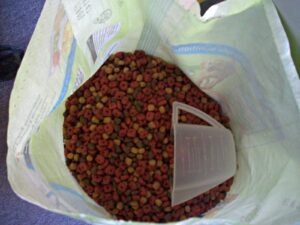
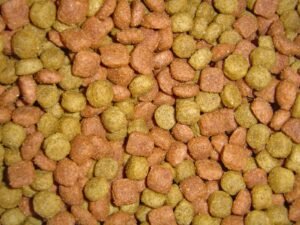
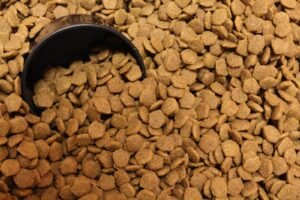
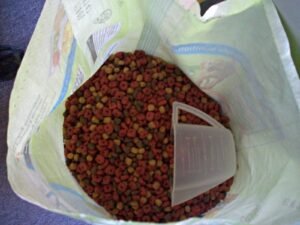
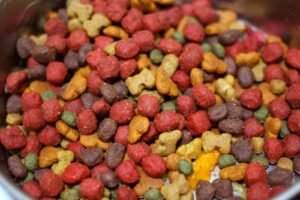
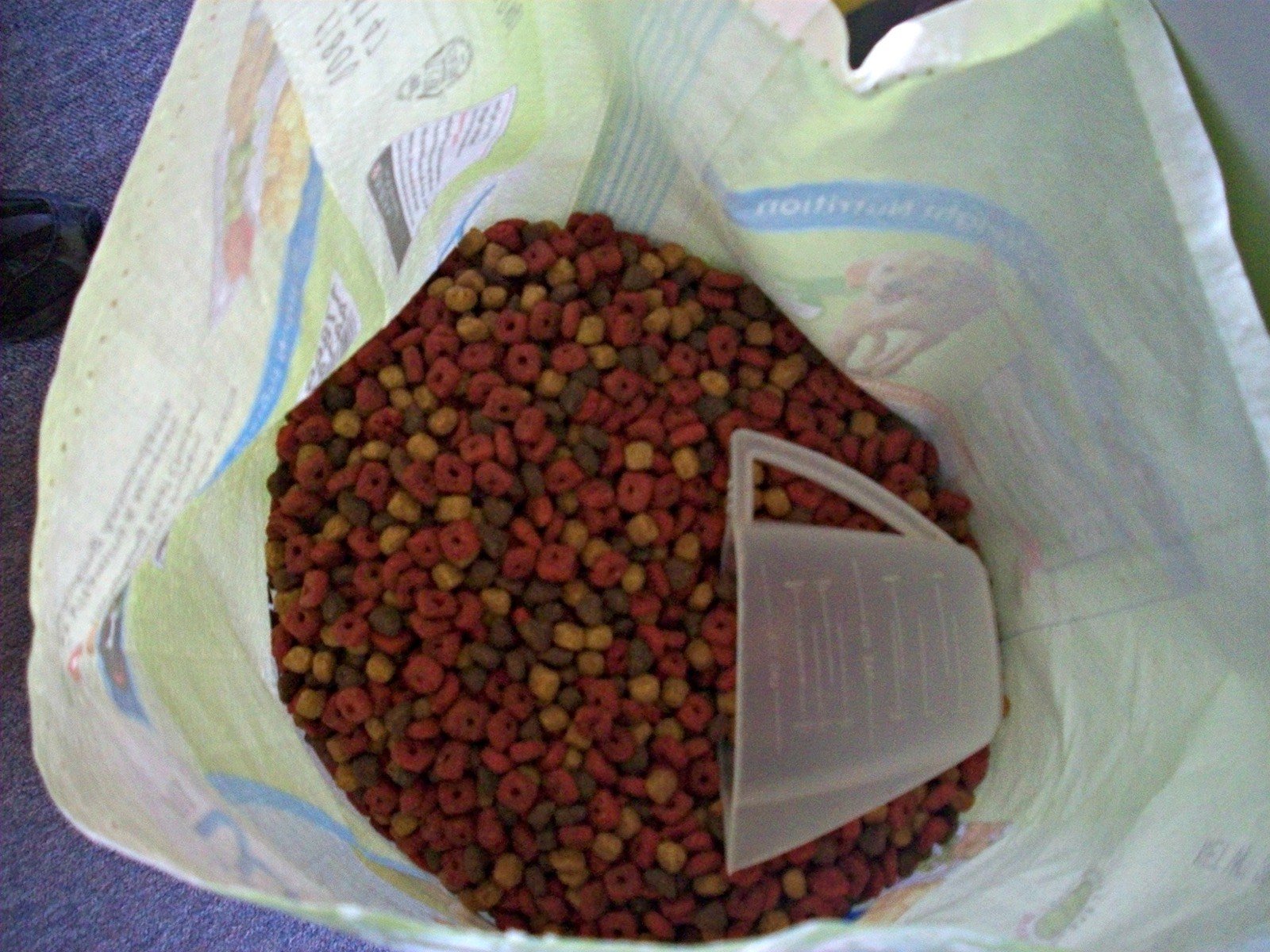
What it is: Extruded, dehydrated food sold as biscuits or pellets, almost always labelled complete.
Completeness: Reliable when a reputable complete product is fed at the recommended amount for your dog's weight and life stage — see our guide to body condition scoring and portions for how to judge the right amount.
Hygiene and storage: The easiest method to store safely — long shelf life, no refrigeration needed before opening, low spoilage risk if kept dry and sealed.
Convenience and travel: The most portable and convenient option, with the longest unrefrigerated shelf life once a bag is opened.
Relative cost: Generally the lowest cost per day of the five methods, though this varies enormously by brand and quality tier — treat any specific price claim as needing its own dated evidence, not a general rule.
Who might think twice: Dogs with certain dental issues, very fussy eaters, or owners specifically wanting a fresh or minimally processed diet for other reasons.
Wet food (tins and pouches)
What it is: Higher-moisture food in tins, trays or pouches, usually labelled complete for adult maintenance.
Completeness: As reliable as dry food when a complete product is fed correctly; useful for dogs who need extra moisture in their diet or are reluctant to drink enough water.
Hygiene and storage: Unopened tins store like any other tinned food; opened portions need refrigeration and should be used within the timeframe on the label, typically within a day or two.
Convenience and travel: Heavier and bulkier than dry food, with shorter use-by windows once opened — less convenient for travel.
Relative cost: Typically higher per calorie than dry food, partly because it is mostly water.
Who might think twice: Owners needing a highly portable, long-shelf-life option, or feeding very large dogs where tinned food's cost per day adds up quickly.
Fresh (gently cooked) food
What it is: Lightly cooked, higher-moisture food, often delivered frozen or chilled through a subscription service and portioned to a dog's individual calorie needs. Can be complete or complementary — check the label or the provider's own specification.
Completeness: Varies by brand and range; do not assume "fresh" automatically means "complete" — verify the specific product.
Hygiene and storage: Needs freezer or fridge space and planned defrosting, similar in principle to raw food but using cooked ingredients, which reduces (but does not eliminate) the bacterial risks associated with raw meat.
Convenience and travel: Needs the most forward planning of any method covered here — freezer space, defrosting time and a reliable delivery schedule. Least convenient for travel or last-minute changes.
Relative cost: Generally the most expensive method per day, reflecting fresh ingredients, portioning and delivery. A reproducible, dated price-per-day comparison across specific providers belongs in a separate commercial comparison page once pricing can be verified and disclosed properly — this guide does not attempt that comparison.
Who might think twice: Households without reliable freezer space, frequent travellers, or anyone needing the lowest possible cost per day.
Raw food
What it is: Uncooked meat, bone and offal, fed either as a prepared "raw meaty bones" or "BARF" style diet, or as a commercially prepared complete raw product.
Completeness: Varies hugely. A commercially prepared complete raw product is formulated to meet nutrient guidelines; a home-assembled raw diet without proper ratios and supplementation is easy to get wrong, in the same way a home-cooked diet is (see below).
Hygiene and storage — the most important safety section on this page: Raw meat can carry bacteria such as Salmonella, Campylobacter and E. coli, which can make people in the household ill, not just the dog. In testing of 380 raw dog and cat food products (277 dog, 103 cat) between March 2023 and February 2024, the UK Food Standards Agency and UK Health Security Agency found pathogenic bacteria in 35% of samples — Salmonella in 21%, Campylobacter in 14% and Shiga toxin-producing E. coli in 12% (FSA/UKHSA raw pet food survey, published via gov.uk). The FSA's separate hygiene guidance for anyone feeding raw is specific:
- Wash your hands with soap and hot water immediately after handling or preparing any raw pet food or treats.
- Keep raw pet food away from other food in the fridge or freezer, and defrost it away from other food, preparation surfaces and equipment.
- Children, especially those under five, should not touch or eat raw pet food or treats; if they do, wash their hands thoroughly with soap and water afterwards.
- Clean surfaces, bowls and utensils the raw food has touched as part of normal good kitchen hygiene.
Vet bodies don't all land in the same place on this, and it's worth knowing that rather than assuming a single consensus. The British Veterinary Association notes that raw feeding is now common — 94% of companion-animal vets report clients who feed a raw diet — and, while flagging that long-term evidence is still limited, stops short of advising against it, instead encouraging owners to discuss their choice with their vet (BVA, Diet choices for cats and dogs policy position). The World Small Animal Veterinary Association's Global Nutrition Committee takes a firmer line: citing contamination risk, nutritional-adequacy risk, and additional risks from bones and excess thyroid tissue in some raw diets, it states there is "no properly documented evidence of health benefits" for raw meat-based diets against "well documented risks," and on that basis recommends raw meat-based diets not be fed to dogs or cats at all (WSAVA Global Nutrition Committee, Statement on Risks of Raw Meat-Based Diets). Treat that disagreement between professional bodies as part of the picture, not a reason to pick whichever view is more convenient.
Convenience and travel: Needs freezer storage, defrosting and strict hygiene routines; among the least convenient for travel.
Relative cost: Varies widely between a prepared complete raw product and a home-assembled one; no general claim is made here.
Who might think twice: Households with young children, who the FSA specifically advises should not touch or eat raw pet food; anyone unable to commit to strict hygiene routines; and anyone who wants to weigh WSAVA's Global Nutrition Committee position, which goes further than the FSA's hygiene-focused guidance and recommends against feeding raw meat-based diets at all. Talk to your vet if you're unsure which view to follow for your dog.
Homemade food
What it is: Meals cooked at home from fresh ingredients, following a recipe the owner sources or designs themselves.
Completeness — the main risk with this method: Getting a homemade recipe nutritionally complete, consistently, over the long term is genuinely difficult without professional input. PDSA, the UK veterinary charity, states plainly: "Homemade dog food is extremely difficult to get right, so we recommend buying a commercial food rather than making your own" (PDSA, Your dog's diet). FEDIAF's own homemade-diets factsheet explains why: a dog needs around 37 different nutrients in the correct balance, and "unless you have developed a meal plan with a dedicated veterinary nutritionist, there is a strong risk you won't be providing the necessary nutrition" — the same factsheet cites an analysis of homemade recipes in which 95% were deficient in at least one essential nutrient and 84% were lacking in multiple required nutrients (FEDIAF, Home-made diets factsheet). WSAVA's nutritional toolkit treats homemade diets the same way it treats raw diets: as a risk factor that calls for a properly formulated recipe and ongoing veterinary input, not an assumption that fresh equals balanced. An occasional home-cooked meal is a different matter — it's the long-term reliance on an unformulated recipe that carries the risk.
Hygiene and storage: Similar to any home cooking — safe with normal food-hygiene practice, though portions still need proper refrigeration or freezing and reheating care.
Convenience and travel: Time-intensive to prepare and plan; among the least convenient methods day to day.
Relative cost: Varies by recipe and ingredients; not assessed here.
Who might think twice: Anyone feeding a homemade recipe long-term without a vet or veterinary nutritionist having checked it — this is the single biggest gap this guide can highlight, not a reason to avoid homemade food altogether where it's done properly.
A note on recipes you'll find on this site or elsewhere: Treat any homemade recipe — including recipes published on this site — as a treat, topper or occasional meal unless it is explicitly labelled as formulated to meet a recognised complete-food standard. A tasty recipe is not automatically a nutritionally complete diet.
Dog feeding methods compared at a glance
| Method | Typical completeness | Hygiene/storage demand | Convenience | Relative cost per day |
|---|---|---|---|---|
| Dry (kibble) | Reliable if labelled complete | Lowest | Highest | Lowest |
| Wet (tins/pouches) | Reliable if labelled complete | Low–moderate (fridge once opened) | Moderate | Moderate |
| Fresh (cooked, delivered) | Varies — check the label | Moderate–high (freezer/fridge, planning) | Lower | Highest |
| Raw | Varies — commercial complete vs home-assembled | Highest (bacterial risk) | Lowest | Varies |
| Homemade | Needs professional formulation to be reliable | Normal food hygiene | Lowest | Varies |
Switching between methods
If you do decide to change your dog's feeding method, do it gradually over a week to ten days, mixing increasing proportions of the new food with the old, and watch for digestive upset. If your dog has a diagnosed health condition, is a puppy, or is pregnant or nursing, check with your vet before switching methods rather than relying on general guidance like this. For a full day-by-day timeline and the warning signs that need a vet, see our guide to switching your dog's food safely.
The bottom line
No single method here is universally "best," and professional bodies don't fully agree with each other either — the BVA treats raw feeding as a common choice worth discussing with your vet, while WSAVA's Global Nutrition Committee recommends against it. Dry and wet food are the most convenient and the most reliably complete off the shelf. Fresh food can suit owners who want it and can verify what they're buying is complete. Raw food carries a documented bacterial-hygiene risk the whole household needs to manage, not just the dog, and at least one major veterinary body advises against it outright. Homemade food can work well, but only when it is properly formulated — treat any homemade recipe as a topper or treat unless a vet or veterinary nutritionist has confirmed it is complete. Whatever you choose, checking whether a specific product is labelled complete or complementary, and feeding it as directed, matters more than which method you pick.
Sources
- UK Pet Food — Understanding Pet Food Labels (PDF)
- FEDIAF — Nutritional Guidelines for Complete and Complementary Pet Food
- UK Food Standards Agency — Raw pet foods: handling and preventing infection
- FSA/UKHSA — raw pet food contamination survey, via gov.uk veterinary notifications
- British Veterinary Association — Diet choices for cats and dogs (policy position)
- WSAVA Global Nutrition Committee — Statement on Risks of Raw Meat-Based Diets (PDF)
- PDSA — Your dog's diet
- FEDIAF — Home-made diets factsheet
Checked 1 October 2026 — every link above was individually fetched and its cited figures/quotes verified against this draft, not just surfaced by search. Note: PFMA rebranded to "UK Pet Food" (ukpetfood.org); the old pfma.org.uk domain is dead, so links use the current domain. Recheck all links at the next scheduled refresh (12 months, or sooner if FSA/BVA/UK Pet Food/FEDIAF/WSAVA guidance changes).